Pre-Pour Foundation Inspections in Houston, TX
Catch problems before the concrete is poured.
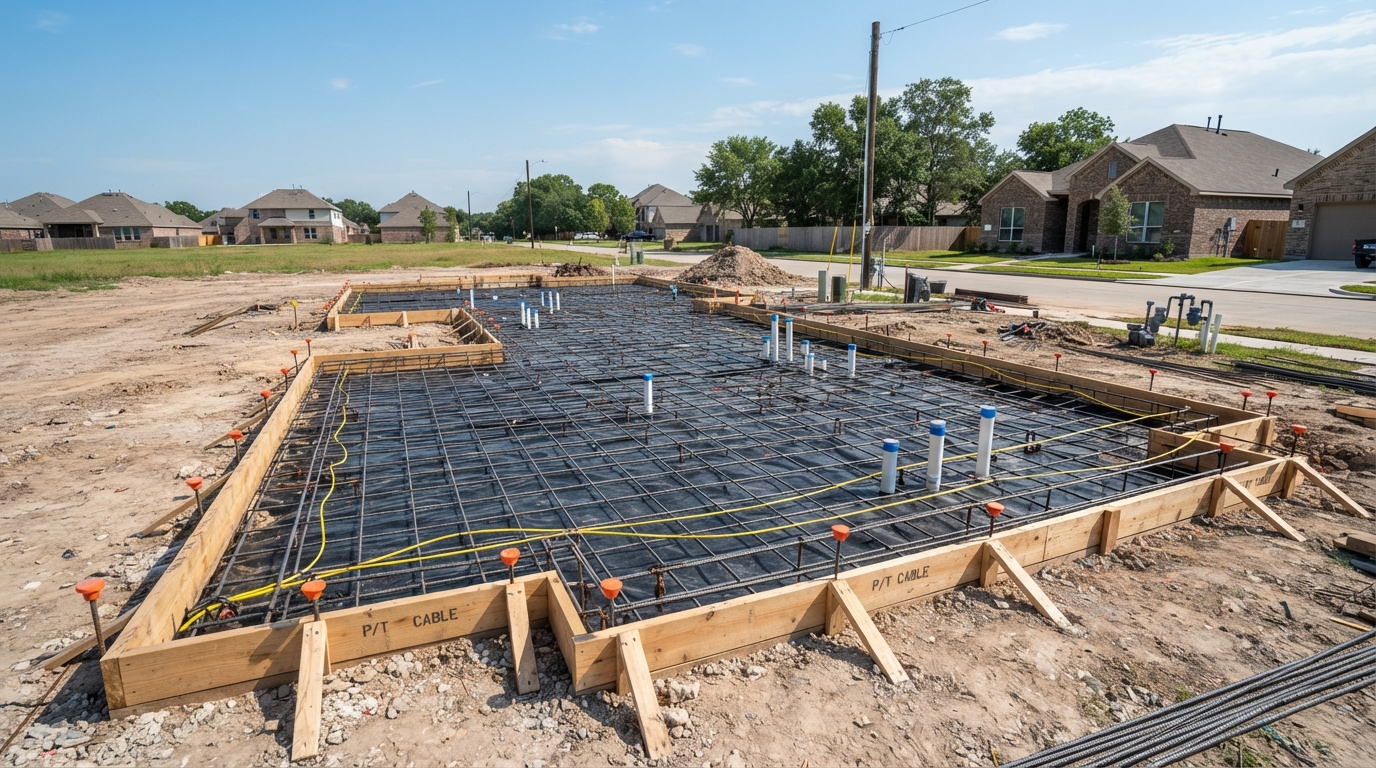
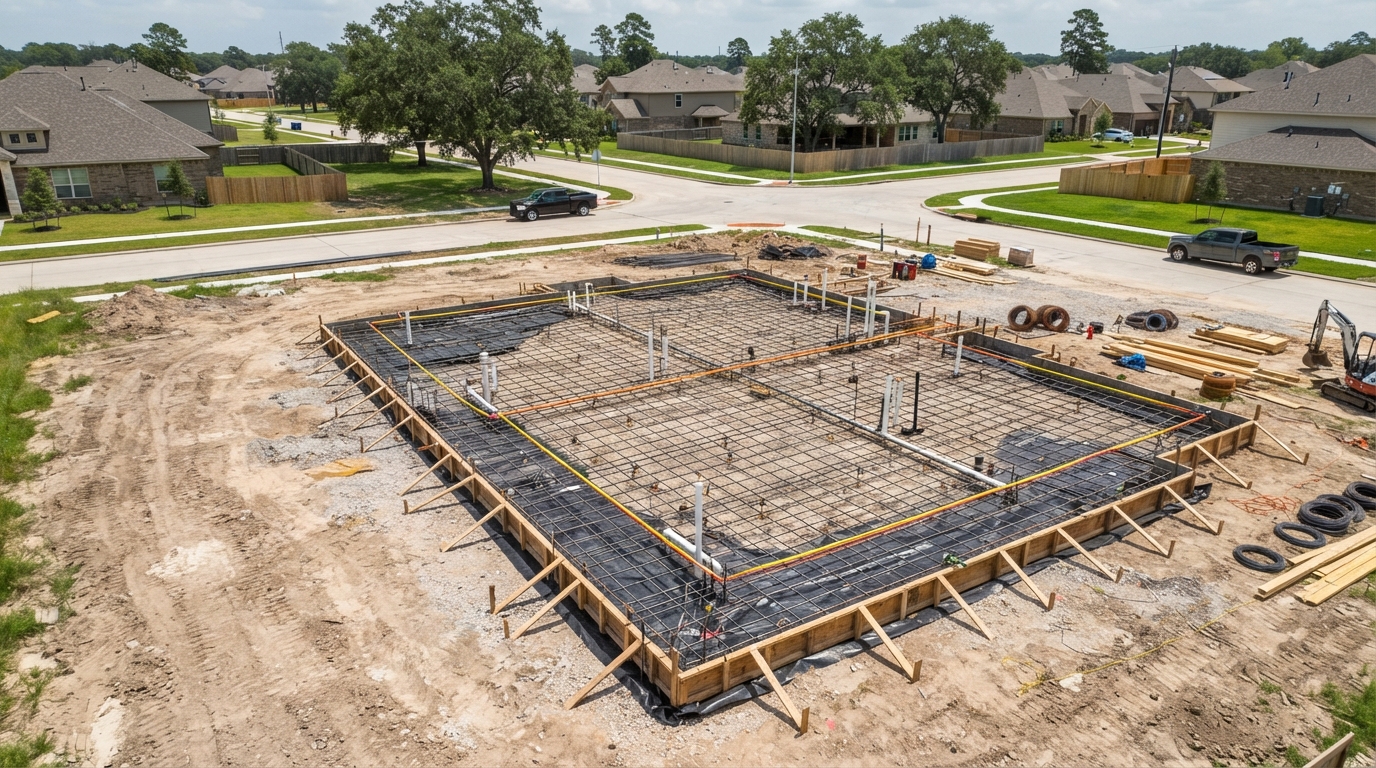
Phase 1 is your pre‑pour foundation inspection. Before concrete is poured, Dave checks the site prep, formwork, reinforcement, plumbing rough‑ins, and moisture control so you know what’s under your slab for the life of the home.
- Site Prep & Grading Review
- Formwork & Layout Evaluation
- Rebar & Post-Tension Checks
- Vapor Barrier & Moisture Control
- Under-Slab Plumbing Rough-In
- Licensed WDI Inspection
What Is a Phase 1 Pre-Pour Inspection?
Phase 1 is the first inspection in the new construction process and happens before concrete is poured for the slab or foundation.
At this stage, Dave:
- Reviews site prep, grading, and drainage around the future foundation
- Checks form boards and layout against plans where accessible
- Evaluates rebar, post-tension cables, and other reinforcement that will be encased in concrete
- Looks at vapor barrier and moisture control measures
- Inspects visible under-slab plumbing rough-in for layout and protection
Once the concrete is poured, everything underneath is there for the life of the structure. Phase 1 is your chance to have an independent set of eyes on that work.
Best Time to Schedule
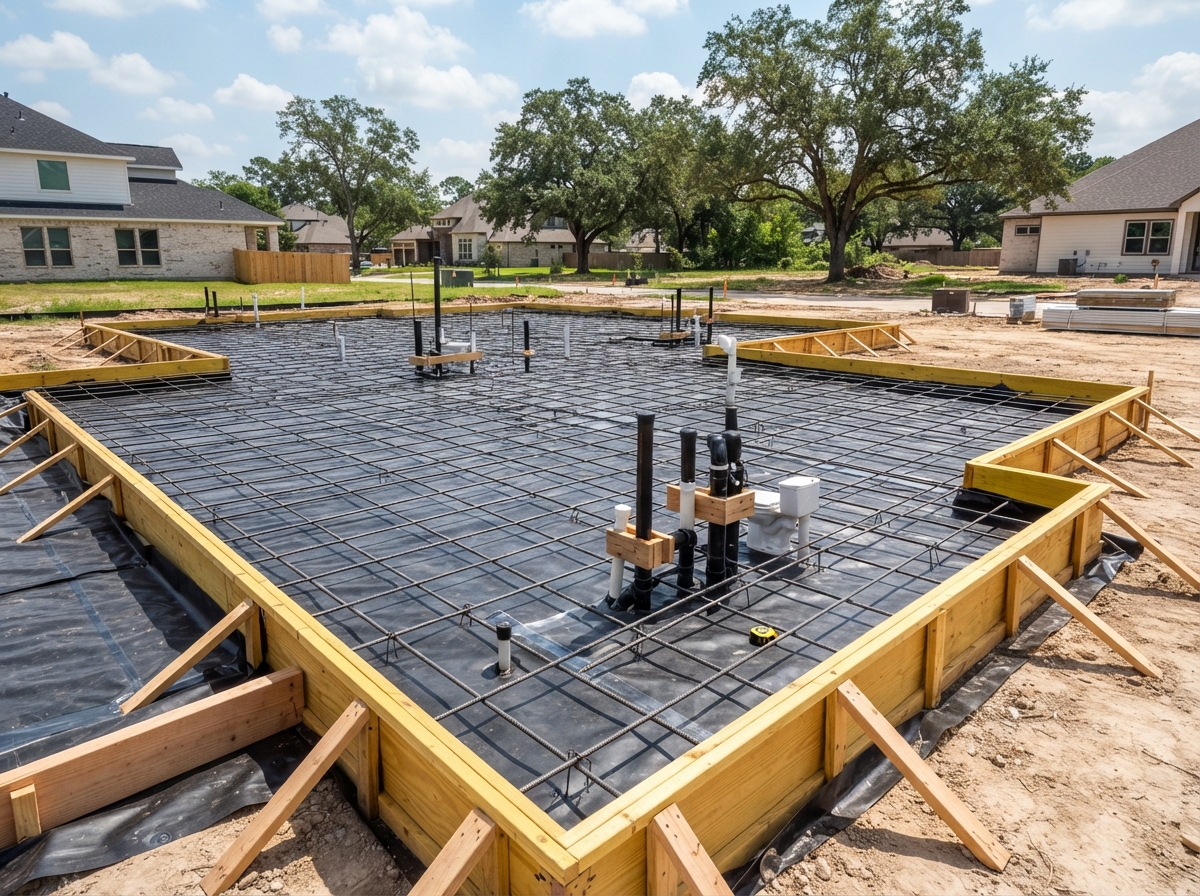
- Form Boards Installed
- Reinforcement Complete
- Plumbing Rough-In Complete
- Before Concrete Is Poured
When Should You Schedule Your Phase 1 Inspection?
Your inspection needs to happen after the foundation is fully prepared — but before the concrete trucks arrive.
Builder Schedules Pour
Your builder sets the expected concrete date.
Foundation Is Prepared
Forms, reinforcement, and plumbing rough-ins are installed.
Dave Inspects
Your WindowThe prepared foundation is independently inspected before anything is covered.
Concrete Is Poured
Once concrete is placed, many of these components will never be visible again.
Builder Schedules Pour
Your builder sets the expected concrete date.
Foundation Is Prepared
Forms, reinforcement, and plumbing rough-ins are installed.
Dave Inspects
Your WindowThe prepared foundation is independently inspected before anything is covered.
Concrete Is Poured
Once concrete is placed, many of these components will never be visible again.
1–2 Days Before the Scheduled Pour
Once your builder gives you the pour date, contact Dave so the inspection can be scheduled during the narrow pre-pour window.
- Form boards in place
- Rebar / post-tension cables installed
- Plumbing rough-in complete
- Vapor barrier installed, when used
Don't wait until the concrete truck is on the way. Most builders can provide their anticipated pour date ahead of time — call or text Dave to coordinate.
What We Inspect at Phase 1
A detailed evaluation of your foundation's preparation, reinforcement, and rough-in systems before concrete covers everything.
Site Prep & Grading
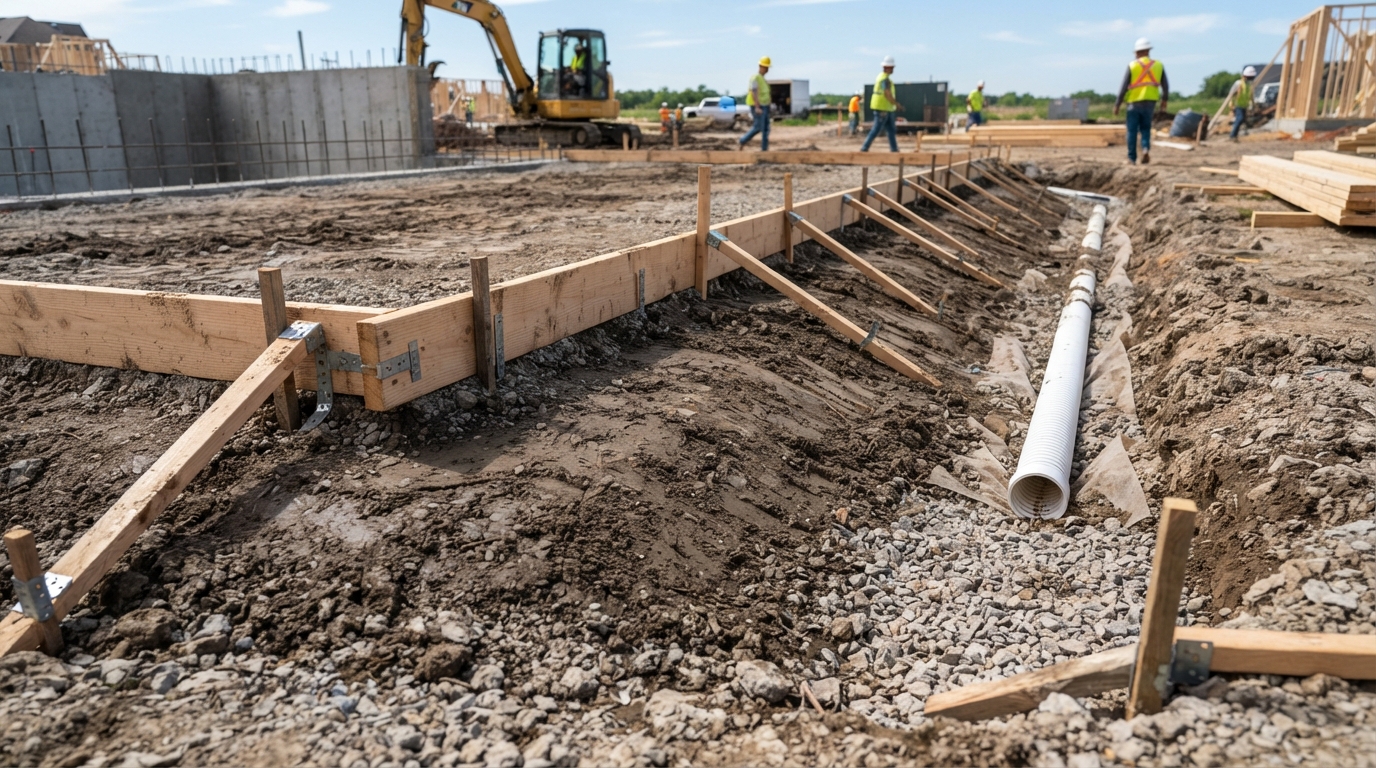
- General site preparation in the foundation area
- Slope and drainage patterns around the forms
- Areas where water may collect near the future slab
Why it matters: Poor drainage and site prep can create long-term moisture and foundation problems.
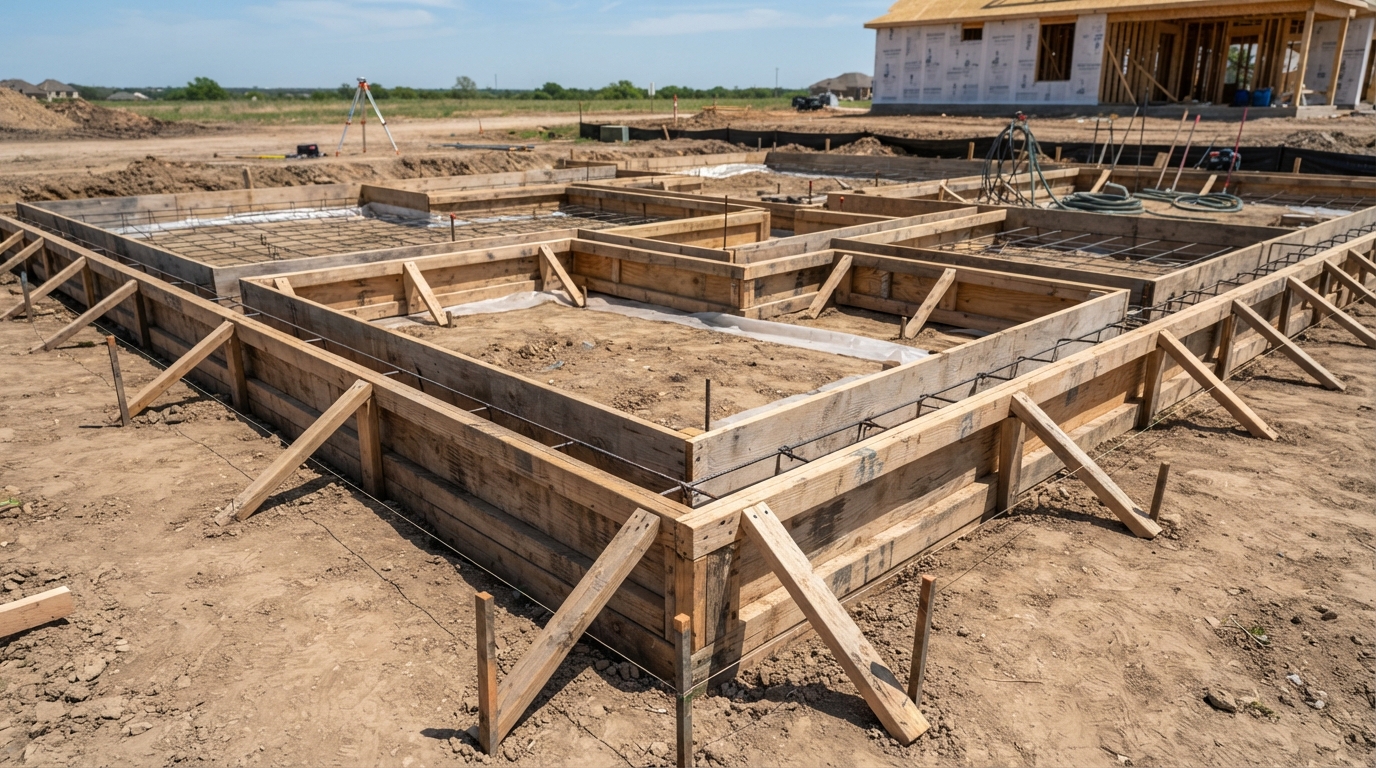
Formwork & Layout
- Form boards and basic layout of the foundation footprint
- Edge forms, corners, and transitions
Why it matters: The formwork sets the shape and basic dimensions of the slab. Problems here are hard to correct later.
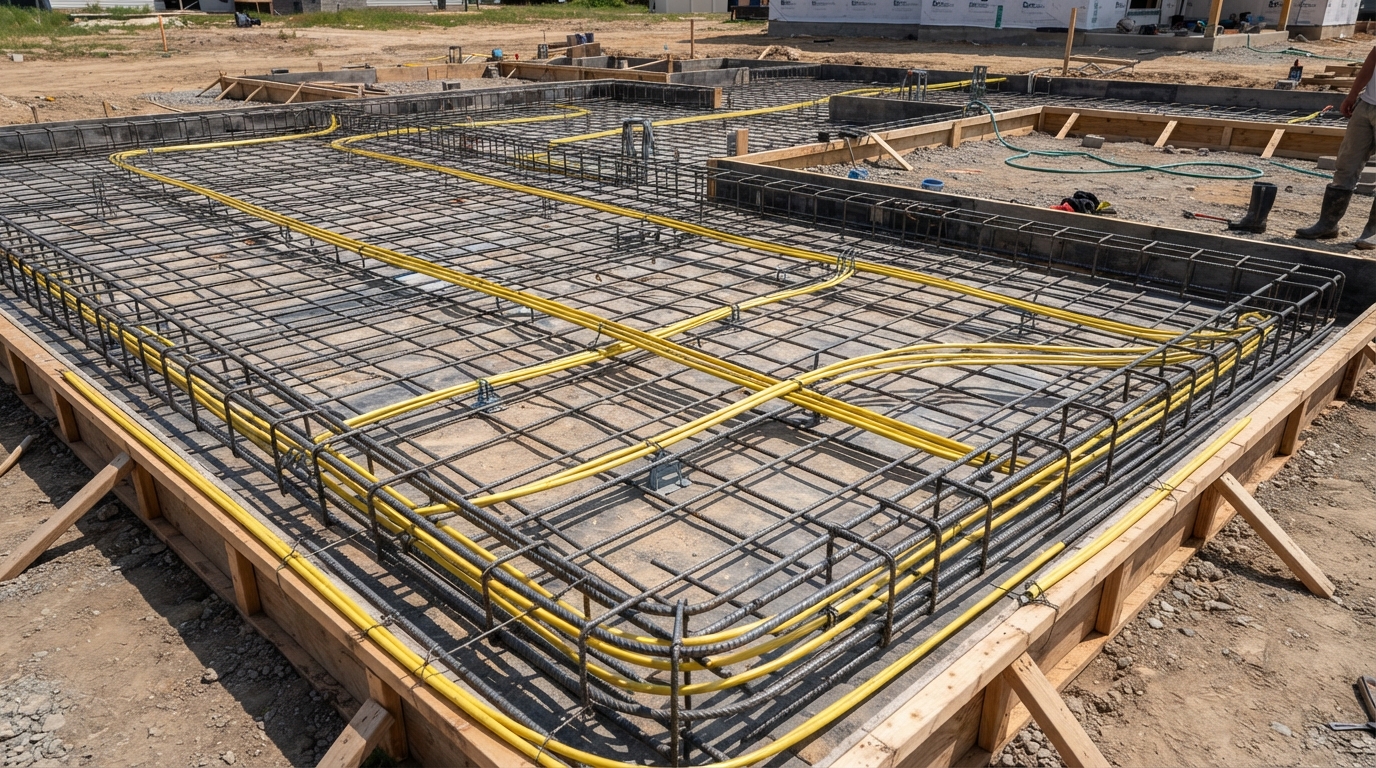
Reinforcement & Post-Tension
- Rebar placement where visible
- Post-tension cable layout and supports where used
- Spacing, support, and clearances where accessible
Why it matters: The reinforcement inside the slab is what gives it strength. You want it installed as designed before it disappears in concrete.
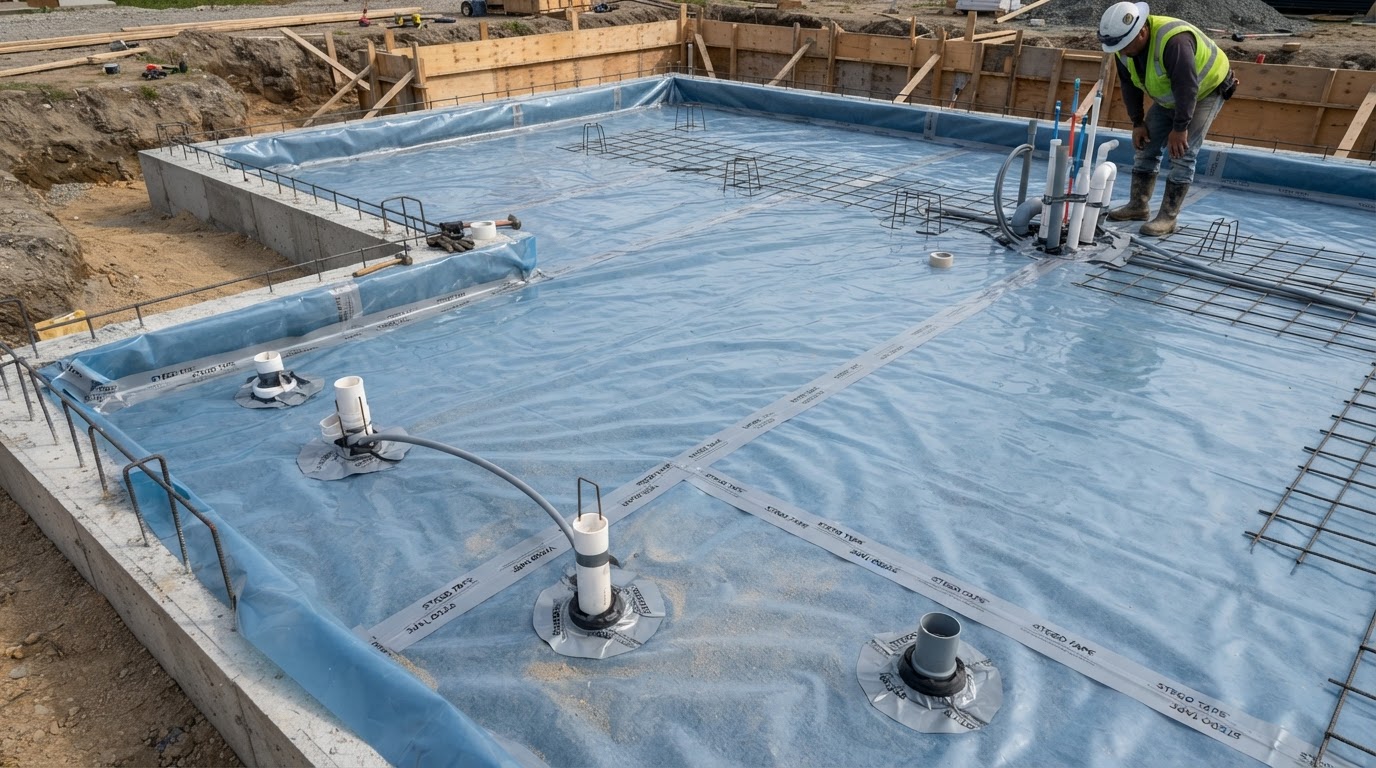
Vapor Barrier & Moisture Control
- Presence and condition of vapor barrier (if installed)
- Visible seams, overlaps, and penetrations
Why it matters: A compromised moisture barrier can shorten the life of the slab and contribute to moisture-related issues in the future.
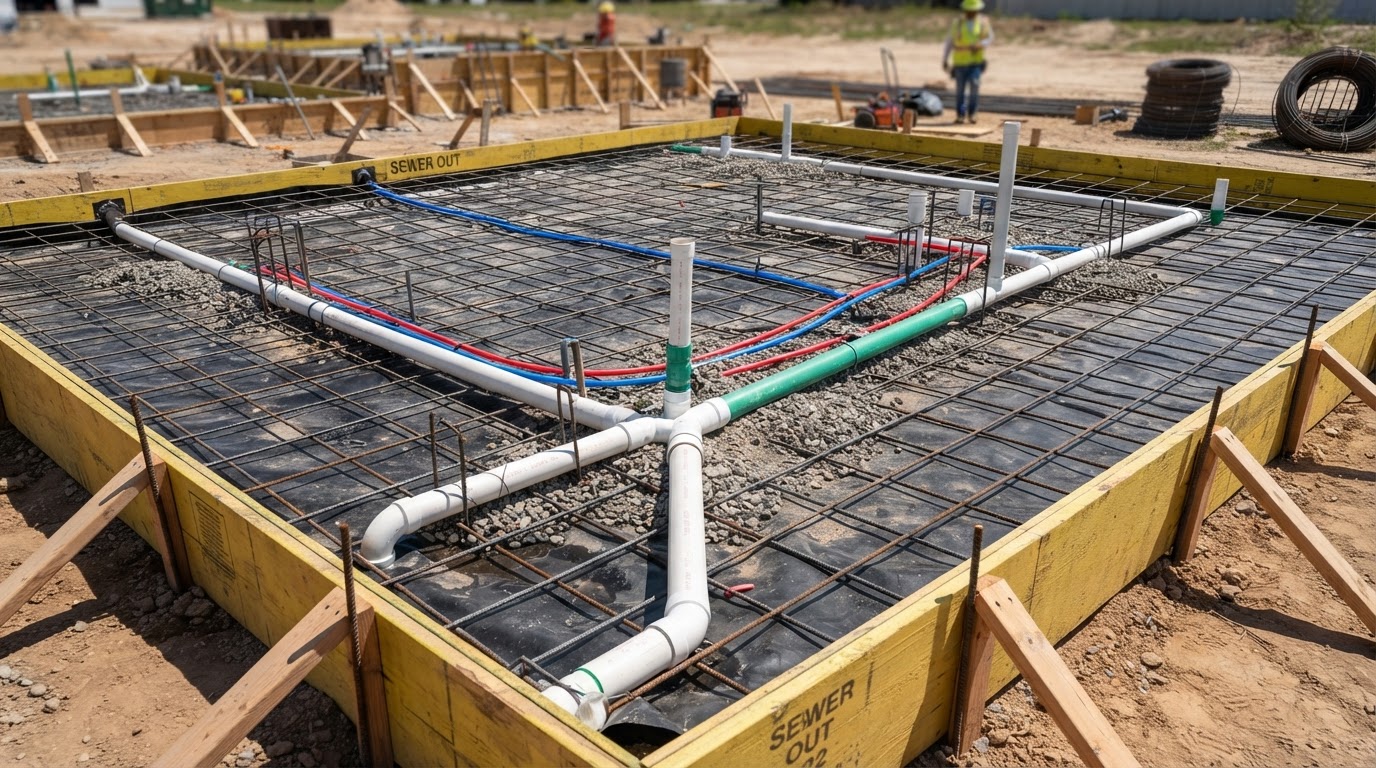
Under-Slab Plumbing Rough-In
- Layout of visible drain and supply lines within the foundation area
- Basic support and protection where accessible
- Penetrations through forms and vapor barrier where visible
Why it matters: Plumbing in or under the slab is difficult and expensive to repair after pouring. Phase 1 is the best time to identify obvious concerns.
Ready to Have Dave Inspect Before the Pour?
Request your Phase 1 inspection online and Dave will coordinate timing with your builder pour schedule.
Why Phase 1 Matters
City and builder inspections focus on minimum code requirements and moving the project forward. A Phase 1 inspection gives you independent documentation of how the foundation was prepared, a chance to catch visible issues before they're buried, and greater confidence in the base your entire home will sit on.
Problems found at this stage are usually much easier and cheaper to correct than after the slab cures and framing goes up.
Catch Foundation Problems Before They're Buried
Reinforcement, formwork, and plumbing issues are documented while everything is still exposed and accessible.
Greater Confidence Before the Pour
An independent review gives you peace of mind that the foundation was prepared as designed before concrete covers it permanently.
Avoid Expensive Foundation Repairs Later
Problems found now cost a fraction of what they'd cost to fix after the slab is poured, cured, and built on.
Once concrete is poured, the foundation is permanent. Phase 1 is your only opportunity to independently inspect what will support your home for decades.
Why Homeowners Choose Tague for Phase 1
Our Phase 1 Inspection Process
Frequently Asked Questions
Inspect It Before It's Buried Forever
You only get one chance to see what's under your slab before it's buried in concrete. Make sure an experienced, independent inspector is there before the pour.